

Eternal Insights
What Skills Do Tattoo Training Courses Actually Teach?
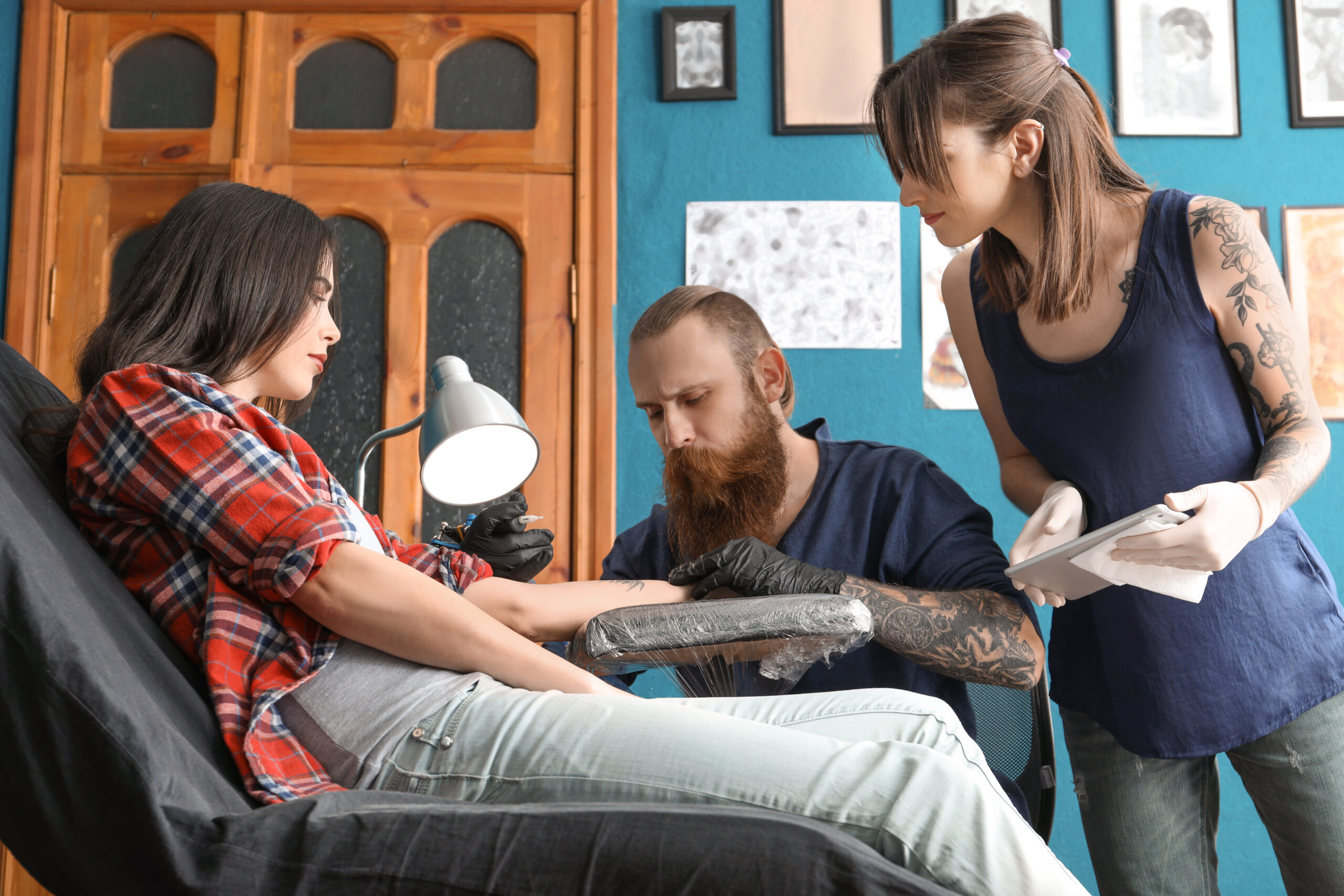
Tattooing is often a subject that people outside the profession do not really understand. If one just looks at the social networks, they would see nothing but pure creation, luminescent designs, excellent artists showing their works, and tattooing already completed. However, what is hardly mentioned is the great amount of time spent in training before the artist even thinks about working on the skin of the client.
The professional tattooing process is more like a technical craft than an informal artistic expression. The skin is subject to a variety of reactions; at the same time, it has to go through the healing process, gets old, and might carry some risks. This is precisely the reason why there are structured Tattoo training programs that not only teach how to draw but also other important aspects needed for a professional tattoo artist. For a person willing to learn how to tattoo, knowing what these tattooing courses cover is the very first step.
Skill 1: Hygiene and Safety Are the Starting Point
Every professional tattoo journey starts with safety, not design.
Health reports from the public sector in North America indicate that poor tattoo hygiene is still the most common cause of skin infections and slow healing. So, the hygiene issue is given primary importance in the curriculum by the leading training programs.
The students learn how to:
- Cross-contamination prevention
- Correct use of single-use needles and disposables
- Sterile workstation setup
- Glove protocols and surface barriers
- Aftercare instruction
This part of the training serves to safeguard both the client and the artist. Without it, even the best piece of art becomes a liability.
Skill 2: Understanding Skin as a Living Surface
Tattooing is not done on canvas or paper; rather, it is done on living skin, which can stretch, bleed, and heal.
Standard training for tattooing includes:
- Getting to know the exact depth for penetrating the skin with the needles
- Learning the reaction of various skin types to ink
- Recognizing the time when the skin is inappropriate for tattooing
- Making sure that the placement is right for both the aging and fading of the tattoo
- Finding out the reasons why certain spots heal more quickly than others?
Those who skip this education usually end up with blowouts, patchy healing, and the tattoo fading prematurely. Thus, this knowledge is a must for anyone who wants to be a responsible tattoo artist.
Skill 3: Design Translation and Placement
Just having drawing skills does not mean having tattoo skills.
Tattoo training concentrates on the art of transferring the drawing to the human body. The students learn:
- How to make designs bigger or smaller without losing their long-term clarity
- How to find the right position according to the muscle movement
- How to put the stencil perfectly
- How to modify the designs so that they fit the body anatomy
This becomes very crucial in the case of small or fine-line tattoos, where even slight spacing mistakes can ruin the piece over time.
Skill 4: Machine Control and Hand Stability
One of the aspects of tattoo training that takes the most time is the learning of machine control.
The courses stick to these aspects:
- Correct grip and hand positioning
- Needle angle control
- Skin stretching techniques
- Line consistency and pressure balance
Studies by the industry show that new tattoo artists need dozens of supervised practice sessions to gain confidence in making clean lines. Quality tattoo training courses thus put a lot of emphasis on repetition over speed.
Skill 5: Shading and Color Techniques
The instruction will go to the next level of shading and color as soon as line work becomes stable.
Students are introduced to:
- The art of making smooth gradients
- The technique of packing color evenly
- The skill of being skin-friendly
- The science of healing pigments across varied skin tones
This phase requires a lot of patience. The very act of rushing shading will cause skin damage and compromise the healing of the tattoo.
Skill 6: Regulations and Professional Responsibility
Tattooing is subject to various regulations in different places, and it is up to the artists to comply with the local rules.
The training encompasses:
- Health and safety laws
- Client’s consent and records
- Studio’s insurance
- Readiness of the studio
This imparted knowledge permits the artists to work within the law and safeguard their careers in the long run.
Skill 7: Client Experience and Career Skills
Tattooing is an industry that focuses on trust between the tattoo artist and the client. The latter not only acquires art but also entrusts a part of his/her body to the artist.
Among others, tattoo schools instruct on:
- Proper consultation techniques
- Knowledge of handling design alterations
- Setting up logically, fees, and taking deposits
- How to keep work for portfolios by using photography
- How to explain aftercare in an understandable way
According to the statistics, artists who have an organized consultation system maintain more than twice the number of returning clients as those without.
What a Real Learning Path Looks Like
A solid tattoo education gradually consists of:
- safety and theor
- line work and placement
- shading and color
- client handling and business basics
Frustration, poor outcomes, or expensive repairs will most likely result from skipping any of the stages.
Conclusion
Tattooing is not only an artistic expression but also requires technical skills, managing risks, and a long-term commitment. The correct Tattoo training courses impart discipline, safety, and control along with art. For anybody serious about wanting to Learn to tattoo, structured training produces artists who can last, heal properly, and gain trust.
Where a mistake is forever on your skin, for an artist, talent isn’t an option; talent is his or her very being.
EBI Certificates









© 2026 · Eternal Beauty Institute. Partners | Policies | Insights | Sitemap | Warranty Information | Return Policy | Contact | Terms & Conditions