

Eternal Insights
From Lash Training to Self-Employment: Calgary Lash Course Guide
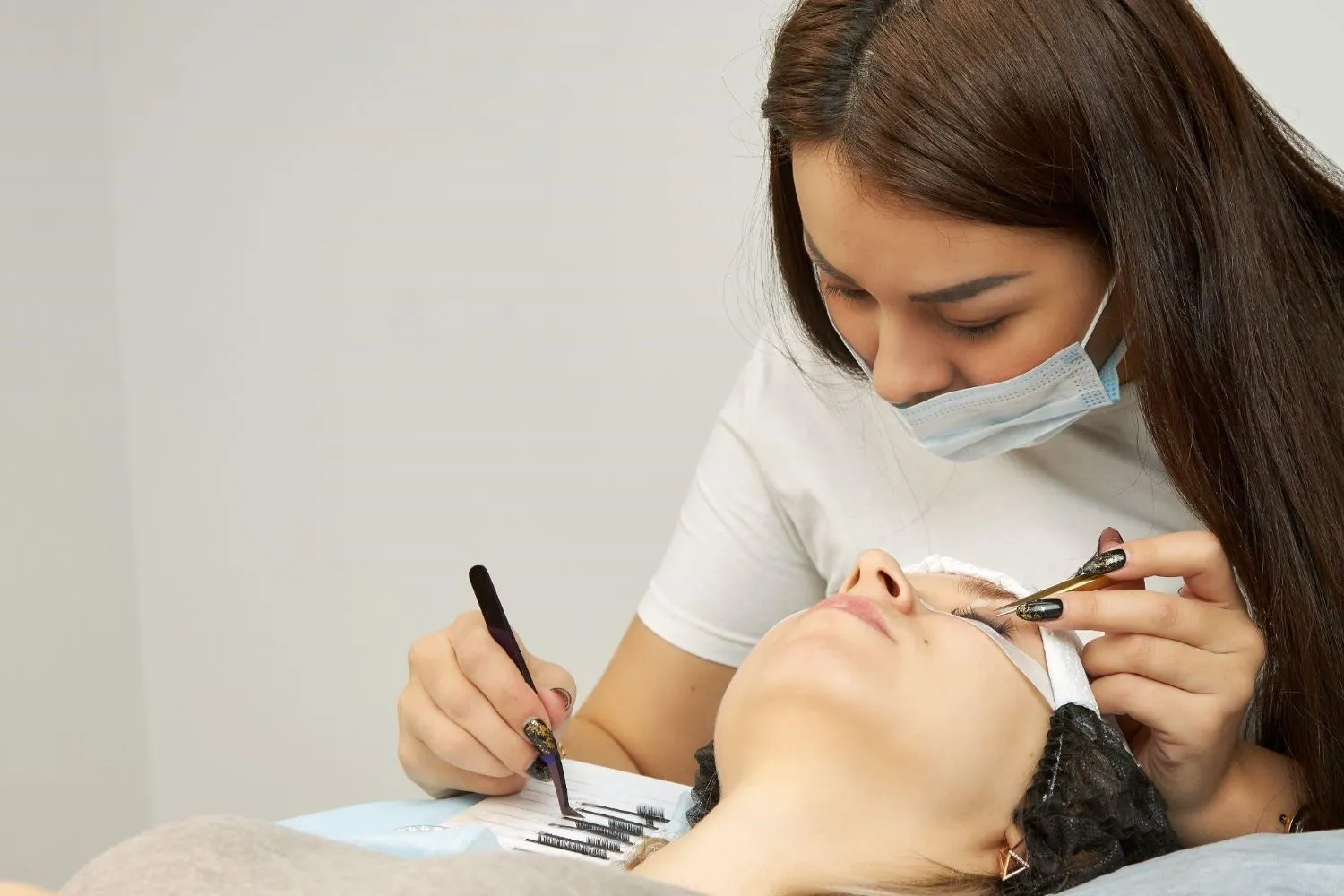
There’s a particular moment that tends to change the direction of a beauty career. It’s the first time a student sees a full set of lashes come together under their own hands, isolated one by one, and realizes this is a skill someone will actually pay for. That moment is usually where a real lash career begins, long before any of the business side kicks in.
Calgary’s beauty scene has quietly turned into one of the more competitive markets for lash artistry in Western Canada. Salons across the city are booking lash appointments weeks out, and clients aren’t treating extensions as an occasional treat anymore for a lot of people, it’s become a monthly routine. That shift matters, because it means steady, repeat demand for anyone who’s trained to deliver the service well.
Why Lash Artistry Keeps Growing as a Career Choice
Unlike a lot of beauty services that rise and fall with trends, lash extensions have settled into something closer to a maintenance habit, similar to hair colour or brow tinting. That repeat-client pattern is exactly what makes it attractive as a career rather than a side skill. A technician who builds a loyal client base isn’t chasing new customers every week; they’re rebooking the same people every two to four weeks, and that creates fairly predictable income once the client list matures.
It’s also one of the more accessible entry points into professional beauty work. Compared to disciplines that demand years of apprenticeship, a focused, well-structured program can take a motivated beginner from zero experience to client-ready in a matter of weeks, as long as the training actually includes enough supervised practice hours and not just theory slides.
What Proper Hands-On Training Actually Covers
A course worth its fee goes well past “how to glue a lash on.” Real training covers lash mapping and eye shape assessment, adhesive chemistry and curing time, isolation technique the single hardest thing for beginners to get right, infill and removal procedures, and sanitation protocols that hold up to provincial health standards. Skip any of these and you end up with technicians who can produce a decent-looking set on day one but run into trouble with retention, allergic reactions, or client complaints six weeks later.
Isolation deserves special mention here, because it’s the quiet skill that separates amateur work from professional work. Cleanly isolating a single natural lash without catching its neighbours is a physical skill that only develops through repetition on real lashes no amount of video tutorials can substitute for hours at the table with an actual model.
Anyone comparing options in the city will find plenty of programs calling themselves an eyelash extension course Calgary students can enrol in on short notice, but the hours of supervised practice built into the schedule is really what separates the ones worth paying for.
Certification and the Doors It Opens
Once certified, graduates usually move in one of three directions: employment at an existing salon or spa, freelance work building an independent client base, or eventually opening a private studio. Salon employment is the fastest route to steady income and mentorship from more experienced techs, which matters a lot in that first year. Freelancing gives more control over pricing and schedule, but it also means handling bookings, supplies, and marketing on top of the actual lash work essentially running a small business from day one.
For anyone weighing the two, a practical approach is to start salon-side for six to twelve months to sharpen speed and consistency, then move into freelance or studio work once a client base and confidence have built up. Jumping straight into self-employment without that runway is one of the more common reasons new technicians struggle in year one.
Not every program markets itself this way, but a number of solid lash courses Calgary schools run do build that first-year transition into their curriculum rather than leaving graduates to figure it out alone.
What to Check Before You Enrol
Before committing to any program, it’s worth confirming a few things: how many supervised hands-on hours are included versus theory hours, whether the kit and supplies are covered in tuition, what certification is issued at the end and whether local salons actually recognise it, and whether models are provided for practical assessments or students need to source their own. These details rarely show up in marketing material, but they matter enormously once training actually starts.
FAQs
How long does it typically take to become certified in eyelash extensions?
Most beginner-level courses run anywhere from a few intensive days to a few weeks, depending on how many hands-on practice hours are built in. Certification usually follows a final practical assessment.
Do I need a beauty background to start lash training?
Not really. Many successful lash technicians come from completely unrelated fields. What matters more is patience, steady hands, and a willingness to put in practice hours, especially on isolation technique.
Can I really start freelancing right after certification?
Technically yes, but most experienced technicians recommend a few months of salon or supervised experience first, to build speed and confidence before working independently.
What’s the biggest mistake new lash technicians make?
Rushing application speed before mastering isolation and retention. Clients notice poor retention quickly, and it’s a lot harder to rebuild trust than to just slow down and get the fundamentals right from the start.
Conclusion
Choosing to train in lash artistry is really choosing a career built on repeat business, hands-on skill, and genuine creative satisfaction three things that hold up well even as other beauty trends come and go. What separates a technician who thrives from one who struggles usually isn’t talent. It’s the quality and depth of the training they started with.
For anyone weighing a career change, or looking to add a high-demand skill to an existing beauty background, lash training remains one of the more practical, income-generating paths in the industry today. A few weeks of proper, supervised training tends to pay for itself many times over once a client base takes shape.
EBI Certificates









© 2026 · Eternal Beauty Institute. Policies | Insights | Warranty Information | Return Policy | Contact | Terms & Conditions