

Eternal Insights
Why Professional MakeUp Courses Matter for Aspiring Makeup Artists?
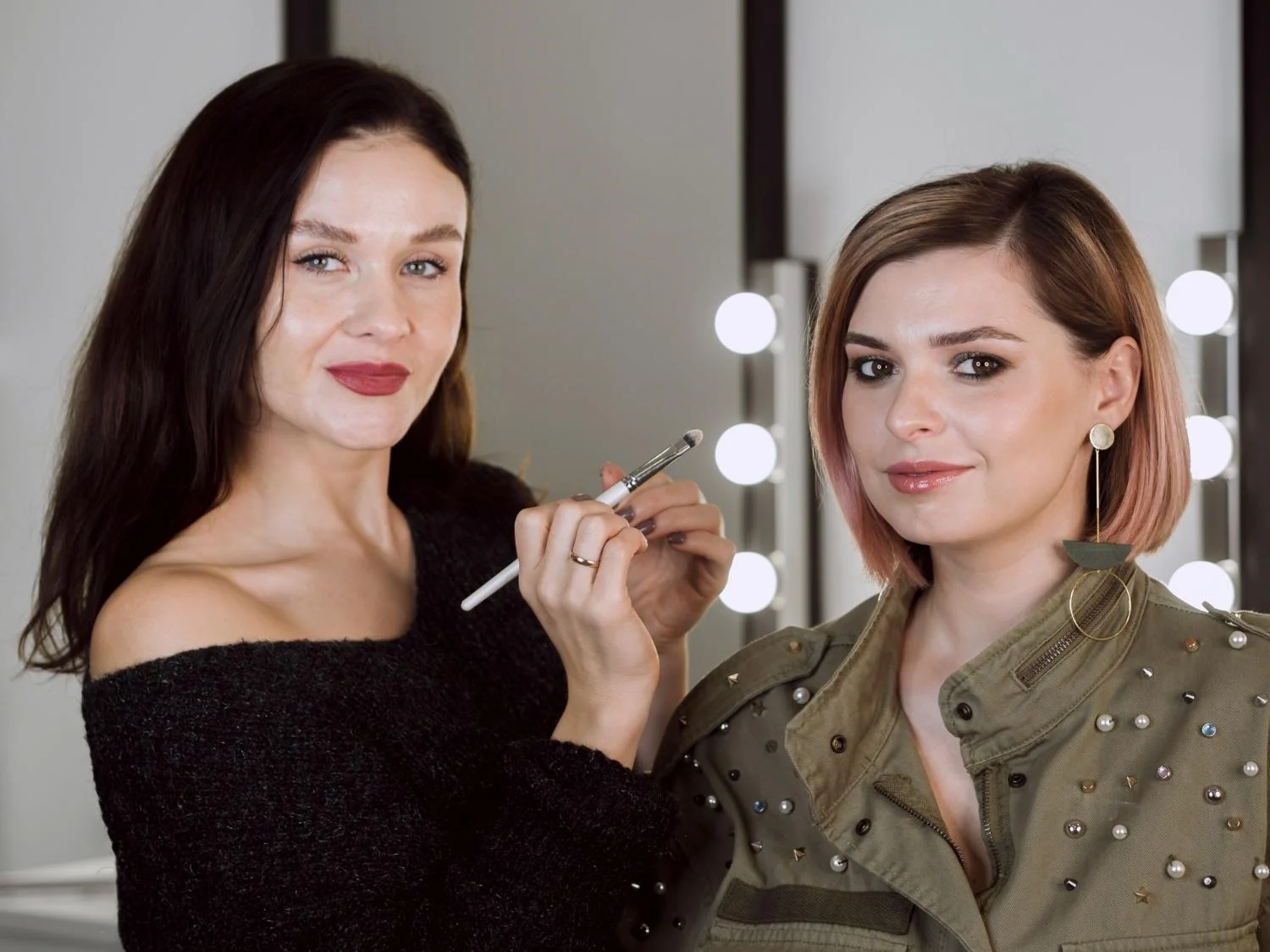
Loving makeup and doing it professionally are two very different things. A look that’s stunning on one person may need a whole new approach on the next, because skin type, undertone, facial structure, eye shape and personal taste can all change how it should be applied.
That’s often when aspiring artists find that tutorials and practising at home only go so far. Professional training gives your creativity some structure. You learn how to create a look, and you also learn why certain techniques, products and methods suit some clients better than others.
Why Professional Makeup Requires More Than Creativity
An eye for colour helps, but professional makeup artistry involves a lot more than picking pretty shades.
You need to understand skin prep, product choice, colour matching, facial structure, hygiene, and what clients expect. You also have to adjust your technique for each face instead of using the same style on everyone.
If you’re looking into Makeup courses Calgary, keep these fundamentals near the top of your list. Good training builds skills you can adapt to different clients, occasions and styles.
It also teaches the discipline behind the artistry. Consultations, sanitation, prep, time management, and keeping your products organised all matter far more once makeup becomes a paid service.
What a Professional Makeup Artist Course Actually Teaches
Most professional training starts with the basics that shape nearly every finished look.
Skin prep is one of them. Even well-applied makeup can look patchy on skin that hasn’t been prepared properly, so you learn how skin type and condition affect which products you choose and how you apply them.
Complexion work is another big area. Rather than sticking with one favourite foundation, you learn about undertones, coverage, textures, blending, highlighting and contouring.
From there, training moves into eye makeup, lips and blush, colour theory and different makeup styles. You start to see how each technique fits with the others instead of treating every part of the face on its own.
In the end, a professional Makeup artist course should teach you to make decisions for each client. Copying a reference picture is only a small part of the job.
Why Understanding Different Faces Matters
One of the first big lessons for a beginner is that every face needs a slightly different approach.
Eye shapes differ, and so do skin texture, face shape, and undertone. Two clients asking for the same look may still need different techniques to get a flattering result.
Training teaches you to study the person in front of you before you reach for a single product. Instead of memorising exactly where contour, blush, or highlight should go, you learn how facial structure affects placement, and the same thinking carries over to eyes, foundation, and lips.
Being able to adapt like this is a big part of what sets a professional apart from someone who’s just good at their own makeup.
Hands-On Practice Builds Real Confidence
Makeup artistry is a hands-on job. You can watch plenty of demonstrations and still find that working on a real client feels completely different.
Practical training puts you in front of different faces, skin types, preferences, and tricky applications. It sharpens your brush control, blending, symmetry and product placement, and it speeds you up.
Mistakes are part of the process. You might pick the wrong foundation shade, leave an eye look slightly unbalanced or go too heavy on contour at first. Making those mistakes in class means you can correct them before a paying client ever sits down.
So when you compare Makeup courses Calgary has to offer, weigh the amount of practical time just as heavily as the topics on the curriculum.
Professionalism Matters as Much as Makeup Skill
Clients notice the finished makeup, and they also remember how they were treated.
You need to understand sanitation, product hygiene, consultations, and keeping your workspace organised. None of it looks exciting on social media, but it’s essential once people are paying you.
Communication counts too. A client might bring a reference photo that won’t quite work with their skin, features or event. A good artist works out what the client is really after and suggests sensible adjustments.
Getting that balance between technical skill and people skills right is what makes the whole appointment feel professional.
Where Professional Makeup Skills Can Lead
Makeup artistry can take you in different directions depending on what interests you.
Some artists work in salons or beauty studios, while others focus on bridal and special event makeup. Freelance work, fashion, photography, editorial, and independent beauty services offer more options still.
A well-rounded Makeup artist course can also cover portfolio building, client management, product selection, marketing, and basic business skills.
These matter most for freelancers, because doing great makeup is only one part of building a career that lasts.
What to Check Before Enrolling
Makeup courses aren’t all the same. Look past the polished course descriptions and check what the training really includes.
Skin prep, complexion work, eye techniques, contouring, colour knowledge, hygiene, practical training and client communication are all worth looking for.
Aim for a course that teaches you to adapt your skills to any client, rather than one that just shows you how to recreate a few popular looks.
FAQs
Do beginners need previous beauty experience to take a makeup artist course?
No. Most professional programs start right at the basics and work up from there, so you don’t need to have worked in beauty before. Colour knowledge, hygiene and client consultations are covered too, and some programs include portfolio building and the basics of running a business.
Why is hands-on practice important for makeup artists?
Working on real faces teaches you things a video can’t. Every client has different skin and features and wants something slightly different, and the more of them you work on, the better your blending, brush control and symmetry get. You also get faster, and much more sure of yourself.
What skills are taught in professional makeup courses?
Most courses begin with skin prep and foundation, since everything else sits on top of them. Once you’ve got those down, you’ll work your way through contouring and eye makeup, and finish with lips and blush.
What should students check before choosing makeup training?
Read through the curriculum and find out how much of the course is practical. Ask how hygiene is taught, what kind of guidance instructors give and whether there’s any career preparation. The best programs teach techniques you can adjust for any client or job.
Conclusion
Being a professional makeup artist takes more than following trends or copying a pretty look. You need to understand skin, facial structure, colour and hygiene, know your application techniques well and be comfortable talking with clients about what they want.
Structured training is where creativity becomes real skill. You learn a technique, try it, get feedback and keep at it until it comes naturally.
If you’re serious about a career in makeup, the right Makeup artist course gives you solid ground to build on. By the end, you should be able to sit any client in your chair and create a look that suits them.
EBI Certificates







© 2026 · Eternal Beauty Institute. Policies | Insights | Warranty Information | Return Policy | Contact | Terms & Conditions