
Eternal Insights
What Skills Do You Learn in a Makeup Artist Course?
3589
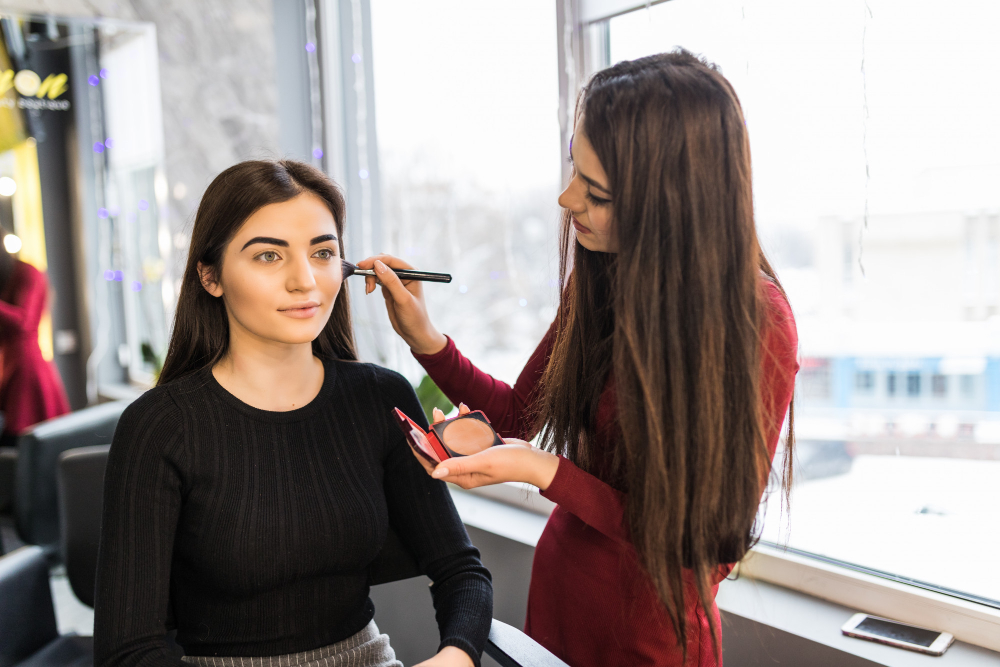
The Makeup artist course provides students with makeup application skills while developing their proficiency in skin analysis, color theory, client consultation, and business operations. The accredited esthetician program creates pathways that lead to bridal and freelance, salon, and medispa job opportunities. Structured makeup training offers two essential components that assist you in developing artistic skills and establishing a financial plan.
More Than Just Makeup
People associate the term Makeup artist course with brushes, palettes, and glam transformations. The professional beauty career training program provides more extensive education than basic skills.
The structured program teaches three essential skills, which include precision and psychology, and profit, while teaching students how to apply pigment. You need to learn all skills required for success in beauty industry work or certification-based income jobs.
This project requires more than basic artistic skills. The project aims to create a long-lasting professional career.
Core Technical Skills
Technical foundations serve as the starting point for every professional Makeup artist course. The students learn to master the following skills:
- Skin preparation and hygiene protocols
- Color theory and undertone correction
- Face mapping and contour architecture
- Product chemistry basics
- HD and bridal makeup techniques
- Sanitation and infection control standards
The students understand how lighting, camera resolution, and environmental conditions impact makeup application results. The information serves essential functions for bridal, editorial, and on-screen makeup application.
The course teaches students to apply consultation strategy assessment skills for evaluating skin type and face shape, and event context and client expectations, before they begin makeup application. The field of strategic thinking draws a clear line that defines professional performance compared to amateur work.
Skin Knowledge Matters
Skin science serves as essential knowledge for modern beauty professionals who need this understanding to perform their job duties. Students pursue an Accredited esthetician program because they want to understand:
- Skin physiology
- Acne and pigmentation management
- Exfoliation protocols
- Treatment contraindications
- Client skincare planning
Skin health knowledge helps artists establish trust with their clients through their professional work. The makeup process reaches superior results when it emphasizes healthy skin instead of using products to conceal problems.
Makeup artistry combined with esthetics training creates better job opportunities, which result in higher salaries for professionals working in medispa environments.
Business & Branding Skills
Established systems create the conditions that allow talent to generate revenue. The complete Makeup artist course provides training that covers:
- Pricing models and service packaging
- Client retention strategies
- Personal branding development
- Social media portfolio positioning
- Vendor networking frameworks
Students learn to create bridal contracts while studying service profitability and methods for achieving permanent client relations. Your ability to generate income during your learning process or your shift to freelance work depends on understanding your revenue sources. The beauty industry combines artistic expression with business operations.
Income Pathways
Professional makeup skills open multiple earning channels:
- Bridal artistry
- Freelance event makeup
- Salon employment
- Studio rentals
- Editorial and fashion collaborations
- Cross-selling skincare services
The combination of esthetics services with lash and brow services enables businesses to establish recurring monthly revenue streams that extend beyond their seasonal revenue from special events. Financial security results from individuals who develop multiple skills.
Who Thrives Here?
Different beauty training programs work for different types of beauty training applicants:
The Career Switcher
- The Career Switcher program needs flexible working hours and creative job options for professionals who leave their corporate positions. The certification process enables candidates to establish market credibility through their certified achievements.
The Entrepreneur
- The Makeup artist course and Accredited esthetician program enable studio founders to provide multiple services through their combined training.
The Flexible Freelancer
- Individuals who want to control their work schedule can choose from three options, which include mobile artistry, part-time work, and project-based assignments. The common factor? Clear income goals backed by structured education.
Choosing Your Path
Before enrolling, reflect on:
- Do you prefer working as a freelancer or in a clinical setting?
- Do you prefer artistic work or scientific research about skincare products?
- Do you prefer to work on specific projects or to develop long-term relationships with customers?
- What is your financial target within 12–24 months?
Your level of understanding will determine which path you should pursue. The student information session, together with the campus tour, will help you understand the university before making your decision.
Enrollment Checklist
Before choosing any program, confirm:
- Hands-on practical training hours
- Instructor-to-student ratio
- Portfolio-building support
- Business and marketing modules
- Recognized certification standards
- Weekly intake flexibility
Students must complete structured laboratory work together with actual client projects. Beauty skills develop through practice because confidence comes from practice.
Financing & Flexibility
Many aspiring professionals delay enrollment due to financial concerns. The following elements should be present:
- Flexible payment structures
- Part-time study options
- Accelerated completion tracks
- Mentorship support
Beauty training should exist as a practical method for students to develop their skills through training. The proper structure of academic programs enables students to establish their professional networks before they complete their studies.
The Bigger Picture
A Makeup artist course teaches more than glamorous makeup techniques. It leads to a complete professional change.
The program provides artistic training that holds students responsible for their work. The program teaches students to develop innovative ideas while understanding business requirements. The program teaches students to develop their interests into successful business ventures.
The beauty industry will continue its growth through existing beauty services and medispa treatments, and event-based artistry services. The combination of certification skills and industry experience enables professionals to achieve career growth.
Conclusion: Take the First Step
The next step for you to build a professional future in the beauty industry requires you to take deliberate action. The training environment can be experienced through detailed curriculum exploration, brochure request, student information session attendance, and campus visit scheduling.
The beauty industry rewards its topmost benefits to people who succeed through their ability to combine creative skills with their formal education and business knowledge. Your passion becomes a professional career that earns revenue when you build essential skills and stay committed to your work.
EBI Certificates






© 2026 · Eternal Beauty Institute. Partners | Policies | Insights | Sitemap | Warranty Information | Return Policy | Contact | Terms & Conditions