

Eternal Insights
Why Hygiene and Aftercare Matter in Professional Piercing Training
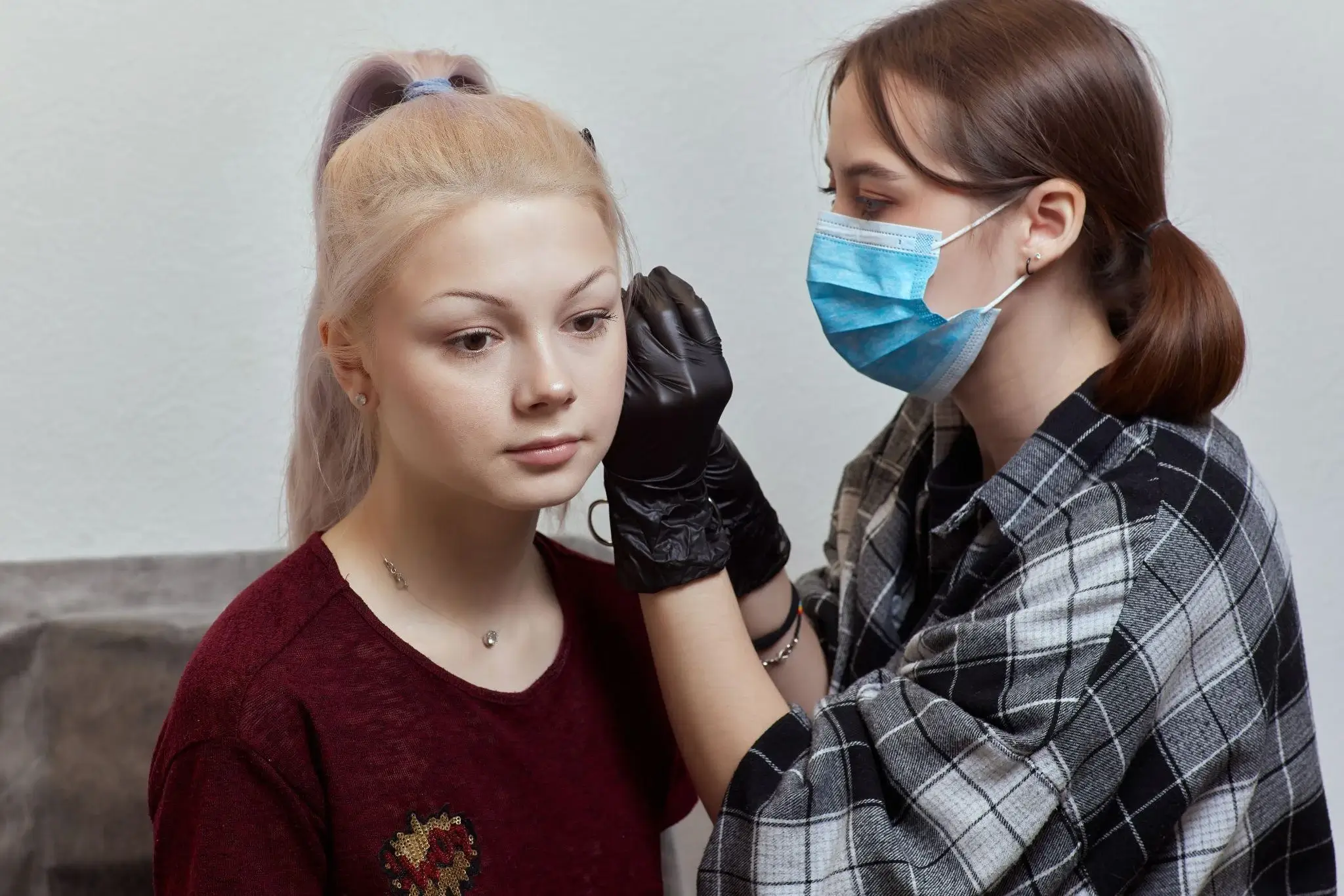
A piercing looks simple until something goes wrong, and most of the time, that comes down to hygiene or bad aftercare advice, not the piercing itself.
If you’re looking into a piercing course Calgary studios actually respect, check how much time they spend on sterilization and client aftercare before you check the price. That part of the training is what keeps clients safe and keeps a technician employed.
The Hidden Half of Piercing Work
Most people picture piercing training as needles, jewellery, and precision placement. That’s only half the job. The other half happens before the needle ever touches skin and long after the client walks out the door. Sterilization protocols, glove technique, workstation setup, and aftercare instructions are what keep a piercing studio safe, legal, and trustworthy. A technician who nails the placement but skips proper disinfection is a liability, not a professional.
This is exactly why serious training programs build hygiene into every single module rather than treating it as a one-time lecture. Students learn autoclave operation, single-use needle protocols, and biohazard disposal alongside the artistic and anatomical side of piercing, because in this field, technical skill without sanitation knowledge simply isn’t a complete skill set.
Why Sterilization Standards Shape Career Outcomes
Health regulations around body piercing are strict for good reason. Skin trauma from a needle creates a direct pathway for bloodborne pathogens if equipment isn’t sterile. Regulatory bodies inspect studios for autoclave logs, spore testing records, and proper barrier techniques, and a technician who can’t demonstrate these practices confidently risks fines, closures, or worse, harming a client.
Employers and studio owners actively look for candidates who can walk in and run a compliant workstation from day one. That’s a major reason structured hygiene training carries so much weight on a resume. It signals that a graduate understands regulation, not just technique, which matters just as much to hiring managers as artistic ability does.
This is also why anyone comparing a piercing course Calgary studios trust tends to look past flashy portfolios and check the fine print first, things like how many sterilization hours are built into the syllabus and whether students practice on real equipment under supervision before ever touching a client.
Aftercare: The Part Clients Remember Most
A piercing heals over weeks or months, not minutes. What happens during that healing window often determines whether a client becomes a repeat customer or leaves a bad review. Solid aftercare education covers saline rinse routines, signs of irritation versus infection, jewelry material sensitivities, and realistic healing timelines for different piercing types.
Clients rarely remember the exact angle of a cartilage piercing, but they absolutely remember whether their technician gave clear, confident aftercare instructions and answered follow-up questions without judgment. That trust is what builds referrals. It’s also where technical knowledge meets communication skills, since explaining aftercare in plain language matters as much as understanding the biology behind it.
What to Look for in a Training Program
Anyone comparing programs should ask pointed questions rather than relying on marketing copy.
A few things worth checking:
- Is there any practical training in sterilization in the curriculum, not just theory?
- Are instructors trained in bloodborne pathogen handling?
- Are there specific courses on aftercare communication and troubleshooting?
- Does the program meet the current provincial health regulations?
Programs that blend piercing technique with a broader education on skin and body-care generally produce more well-rounded graduates. This overlap is because a lot of students doing research on an aesthetics institute Calgary residents recommend ask about piercing-specific hygiene modules. This is because knowledge of skin health and sterilization discipline reinforce each other across both disciplines.
Building a Reputation That Lasts
In an industry driven by word of mouth and social proof, hygiene missteps spread fast, and so does praise for clean, professional work. Technicians who treat sterilization and aftercare as core skills, not afterthoughts, tend to build steadier client bases and fewer complications down the line. That reputation is often the real return on a solid training investment.
FAQs
How long does proper piercing aftercare usually take?
Healing times vary depending on the type and location of the piercing. Earlobe piercings can heal in six to eight weeks, but cartilage or navel piercings can take six months to a year. Proper cleaning and aftercare during this time frame can help promote healthy healing.
What’s the biggest hygiene mistake new technicians make?
Reusing tools or touching a workstation surface without regloving is one of the most common errors, even among trained students, which is why hands-on sterilization drills matter so much.
Can poor aftercare advice cause complications even with a clean piercing?
Yeah. Even with proper sterilization of the piercing, irritation or other problems can occur if clients don’t follow proper aftercare. Good directions on cleaning, products to avoid and normal signs of healing can help you avoid common complications.
Do piercing training programs cover regulatory compliance?
Reputable programs teach current provincial health codes alongside technique, since compliance knowledge is often required for licensing and studio employment.
Conclusion
Hygiene and aftercare are not the sexy parts of piercing training, but they are what protects clients, careers, and reputations long after the appointment is over. The technical skill of the technicians is only as good as the sterile practice and clear direction that permits clients to heal safely. That combination is what turns a one-time client into a loyal client, and a hobby into a sustainable career.
Choosing a program that takes these basic concepts seriously rather than glossing over them sets the stage for all that follows. It is worth taking the time to ask real questions before signing up for any course, to compare curriculums and to place the same emphasis on safety education as on artistic training.
EBI Certificates









© 2026 · Eternal Beauty Institute. Policies | Insights | Warranty Information | Return Policy | Contact | Terms & Conditions