

Eternal Insights
What Skills Matter Most When Learning Tattoo Removal Techniques?
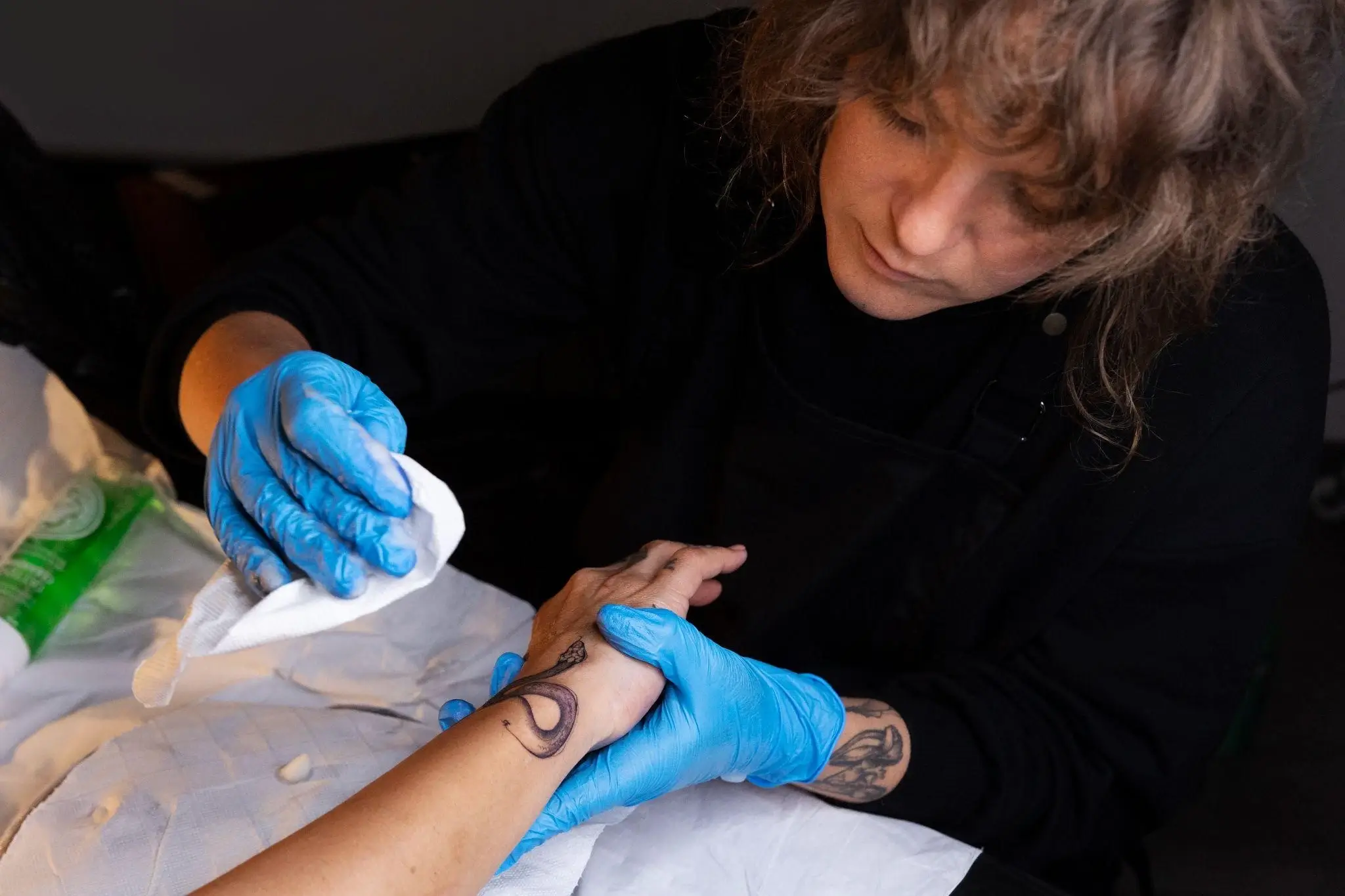
Tattoo removal is often mistaken for a simple point-and-shoot laser job, but the technicians who actually succeed in this field understand skin biology, laser physics, client psychology, and aftercare protocols all at once. If you are exploring tattoo removal classes, the real question is not just how to operate the machine, but which skills separate a technician who delivers consistent, safe results from one who does not.
Effective tattoo removal classes build skill in four core areas: laser and light-based technology, skin type assessment, pain and safety management, and aftercare protocols. Programs that combine this foundation with real hands-on practice produce technicians who work safely across different ink colors and skin tones. Many students also pair this training with tattoo artist classes, since the two disciplines rely on a similar understanding of how ink behaves in skin.
Why Skill Selection Matters More Than Certificates
A certificate proves attendance. Skill proves competence. Clients walking in for tattoo removal are often dealing with regret, career changes, or covering up old ink before a new piece, and this matters to them emotionally. A technician who understands the reasoning behind each setting adjustment builds trust faster than one simply following a checklist.
This is where solid tattoo removal classes differ from rushed weekend workshops. The strongest programs do not just teach button-pushing; they teach decision-making under real skin conditions, where every client’s tone, ink density, and healing history is different.
Core Technical Skills Every Technician Needs
1. Laser and Light-Based Technology Fundamentals
Understanding wavelength selection, pulse duration, and how different laser types such as Q-switched and picosecond lasers interact with various ink colors is non-negotiable. Black ink responds differently than teal or yellow, and knowing why prevents scarring and under-treatment.
2. Skin Type Assessment
Skin typing is not a mere formality. Darker skin tones require different energy settings to prevent hyperpigmentation or burns. Technicians trained to accurately assess skin type, not guess, deliver consistent, safer sessions.
3. Pain Management and Client Comfort
Removal sessions can be uncomfortable. Knowing cooling techniques, topical options, and pacing during treatment keeps clients returning for the full series instead of dropping off after the first session.
4. Aftercare and Complication Recognition
Blistering, infection risk, and improper healing are real possibilities. A technician who can spot early warning signs and guide aftercare properly protects both the client and their own professional reputation.
Where Tattoo Removal Overlaps with Tattoo Artistry
Interestingly, many of the same instincts that make someone a strong tattoo artist, such as steady hands, understanding of ink saturation, and reading how skin reacts under stress, carry over into removal work. That is why several students pair tattoo artist classes with removal training, since the two skill sets reinforce each other, especially for those planning to offer full-circle services like cover-ups, fading for redesigns, and correction work.
Someone who already understands how ink sits in the dermis as an artist has a real advantage when learning how lasers break that same ink apart.
Building Client Trust Through Communication
Technical skill alone does not build a client base; communication does. Explaining realistic timelines, since most tattoos need six to ten or more sessions, setting expectations around partial fading versus complete removal, and being honest about limitations builds long-term trust. Clients remember technicians who were upfront over ones who overpromised.
Practicality Over Theory
Classroom theory is important, but the real skill is in repetition, hands-on. Look for programs that provide:
- Provided mentored supervised practice on model skin or real clients.
- Access to many types of lasers, not a single machine
- Case studies using different ink colors, ages and skin tones
- Safety and Consent Protocol Education
Programs that over-emphasize lectures and under-emphasize practice tend to produce technicians who freeze up during their first real client session.
FAQs
How long does it take to become proficient in tattoo removal?
Basic certification programs can run from a few days to a few weeks, but true proficiency, meaning reading skin response accurately and adjusting technique on the fly, typically develops over several months of supervised practice.
Do I need an artistic background to learn tattoo removal?
No, though it helps. Many successful technicians come from esthetics, nursing, or laser technology backgrounds. What matters most is attention to detail and comfort working with skin.
Can tattoo artists benefit from removal training too?
Yes. Artists who understand how ink sits in skin often grasp laser interaction faster, which is why pairing removal training with tattoo artist classes is common among those building full-service studios.
What is the biggest mistake beginners make in tattoo removal?
Overtreating in the first session. Enthusiastic beginners sometimes push settings too aggressively to speed up results, which increases the risk of blistering or scarring instead of a smooth, gradual fade.
Conclusion
Tattoo removal is a skill based on precision, patience and a real understanding of skin science, not just running a machine. The good technicians are the ones who see each client’s skin as unique, who are honest in their communications about results, and who never stop perfecting their technique through hands-on practice.
Whether you’re coming from a tattoo background or just starting out, the skills that matter most are the same: thoughtfulness in assessment, safety-first decision-making, and a real commitment to getting things right, not fast. It is that combination that makes a technician someone that clients trust and refer to others.
EBI Certificates









© 2026 · Eternal Beauty Institute. Policies | Insights | Warranty Information | Return Policy | Contact | Terms & Conditions