

Eternal Insights
Key Things to Look for When Picking a Lash Course in Calgary
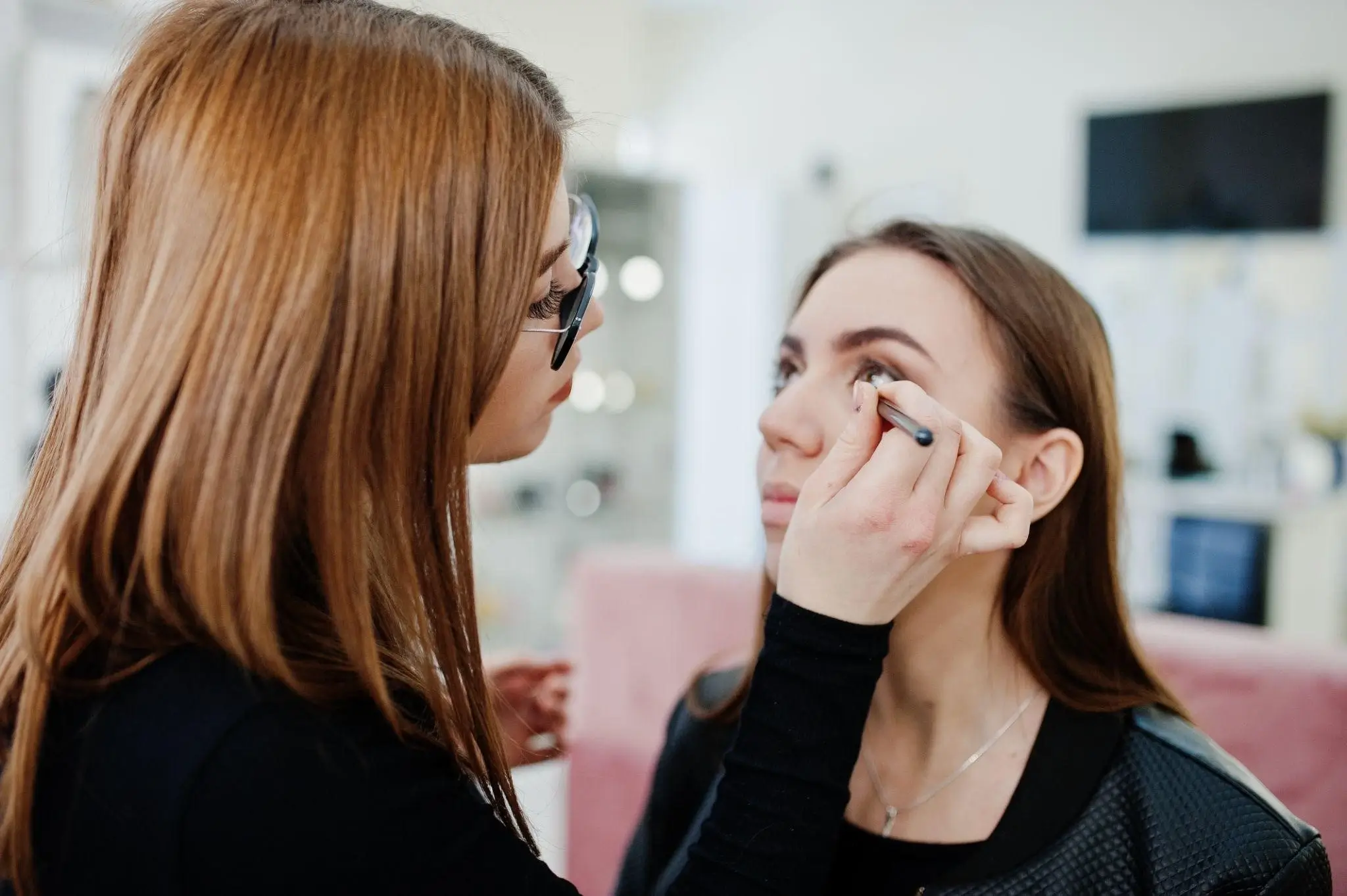
Choosing a lash course isn’t just about learning to apply extensions it’s about picking the foundation your entire career will sit on. Calgary’s beauty scene has grown fast over the past few years, and with that growth has come a flood of options, some solid, some barely more than a weekend crash course with a certificate slapped on at the end. So how do you tell the difference before you’ve handed over your money?
When comparing lash courses Calgary has to offer, focus on accreditation, real hands-on hours, instructor experience, and post-training support rather than price alone. A cheaper course that leaves you underprepared often costs more in the long run.
Why This Decision Deserves More Than a Quick Google Search
Lash artistry sits at an odd intersection: it’s creative work, but it’s also a regulated personal service that touches someone’s eyes. Get the training wrong, and you’re not just risking a shaky portfolio; you’re risking client safety and, eventually, your reputation. That’s the part a lot of first-time students underestimate. A course that skips proper sanitation protocols or rushes through isolation technique might get you certified faster, but it won’t get you booked repeatedly.
Accreditation and Recognition Actually Matter
Ask directly whether the certificate is recognized by insurance providers and whether it meets provincial health and safety standards. Some programs hand out certificates that look impressive but carry no weight with insurers, which becomes a problem the moment you try to get liability coverage to work legally. This is one area where cutting corners early creates real headaches later.
Curriculum Depth Over Curriculum Length
A three-day course isn’t automatically worse than a two-week one, but the content inside matters far more than the calendar. Look for a syllabus that covers:
- Classic and volume lash application techniques
- Eye anatomy, adhesive chemistry, and allergy awareness
- Sanitation and infection-control standards
- Client consultation and aftercare guidance
- Retention troubleshooting: this is the skill that separates hobbyists from professionals
If a program glosses over adhesive chemistry or skips client consultation entirely, that’s a red flag worth noting.
Hands-On Practice Hours
Watching a demo and doing the work yourself are two completely different learning experiences. Ask how many live model hours are built into the course, not just mannequin practice. Lash application is a tactile skill; tension angle and speed only come together through repetition on real lash lines, which react differently than synthetic training heads ever will.
This is also where an eyelash extension course Calgary students choose can vary the most. Some programs lean heavily on video tutorials with only a couple of hours of supervised practice, while others build in full days of guided, hands-on correction. If in-person practice time feels thin on the syllabus, it’s worth asking why before you commit.
Instructor Experience and Ongoing Mentorship
An instructor’s own client history tells you a lot. Someone who’s actively working behind the chair tends to teach differently than someone who’s only ever taught. Beyond the course itself, ask if there’s any mentorship or check-in period afterward.
The first few weeks post-certification are usually where new lash artists struggle most, and having somewhere to ask questions makes a measurable difference in confidence and retention rates.
Class Size and Scheduling Flexibility
Smaller class sizes mean more individual correction time, which matters enormously for a hands-on skill like this. If you’re comparing programs, ask about the instructor-to-student ratio directly. Flexible intake dates and evening or weekend options are also worth checking, especially if you’re transitioning from another career and need to keep working while you train.
Not all lash courses Calgary schools run on the same schedule either; some only open new intakes monthly, while others start weekly. If timing matters to you, confirm the next available start date before you get too attached to a particular program.
A Practical Checklist Before You Enroll
- Confirm the certificate is insurance-recognized
- Ask for the exact number of live-model practice hours
- Request to see sample work from recent graduates
- Clarify what happens if you need extra practice time
- Check if kit and supply costs are included in tuition
FAQs
How long does it typically take to complete a lash course in Calgary?
Most foundational courses run anywhere from a few days to a few weeks, depending on how many live-model hours and technique levels (classic vs. volume) are included.
Do I need a cosmetology license before taking a lash course?
Not usually. Lash extension training is typically offered as standalone certification, though local business licensing rules still apply once you start working with clients.
Is it better to start with classic lashes only, or learn volume technique right away?
Most instructors recommend nailing classic application first, even if volume is what’s trending. Classic technique builds isolation and tension control at a slower pace, and those fundamentals carry directly into volume work later on.
What happens if I finish the course but still don’t feel confident with clients?
This is fairly common, especially if live-model hours were limited during training. Look for programs offering some form of follow-up, like a check-in call or a practice day, so you’re not left figuring out the confidence part entirely on your own.
Conclusion
Picking a lash course really comes down to separating substance from packaging. A polished website or a low price tag doesn’t tell you much about how prepared you’ll feel in front of your first paying client. The details that actually matter accreditation, practice hours, instructor background, and support after graduation take a bit more digging to uncover, but that digging is what protects both your investment and your future clients.
There’s no single best course for everyone, since goals, schedules, and budgets differ. What matters is asking the right questions before enrolling rather than after. Take the checklist above into any consultation call, and you’ll walk away with a much clearer picture of whether a program is built to make you job-ready or just certificate-ready.
EBI Certificates






© 2026 · Eternal Beauty Institute. Policies | Insights | Warranty Information | Return Policy | Contact | Terms & Conditions