

Eternal Insights
Why Hands-On Learning Is Important in Aesthetic Injector Training
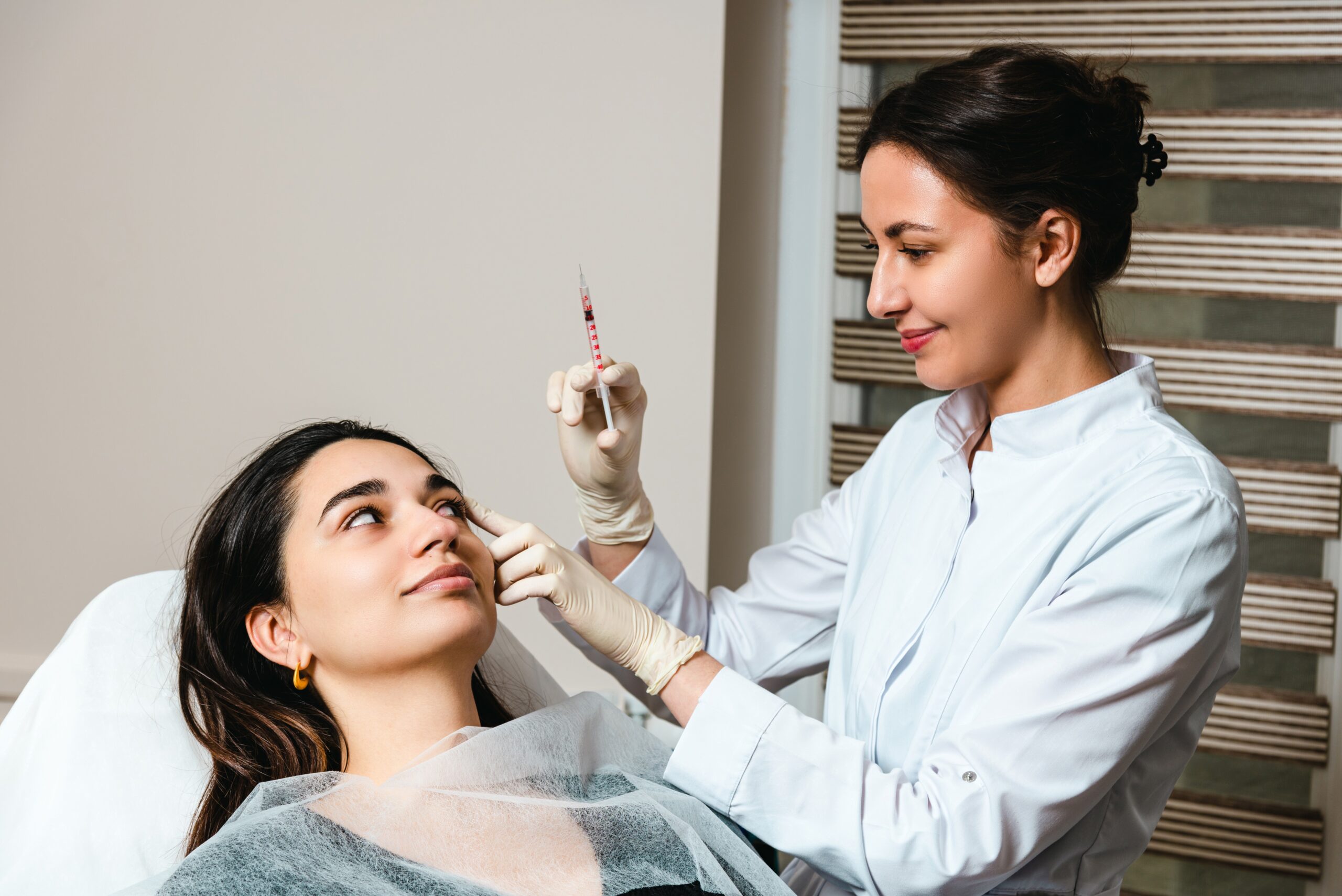
Aesthetic treatments may look simple from the outside, but professional injectables are never just about placing Botox or filler into the skin. Every face has a different structure, muscle movement, volume pattern, symmetry, and client expectation. That is why hands-on learning is one of the most important parts of any Botox and filler course Calgary students should seriously consider.
In aesthetic injector training, theory builds the foundation, but practical training builds confidence, judgment, and control. Reading about injection depth, facial anatomy, or product selection is useful. But learning how tissue feels, how a client reacts, and how small technique changes affect results can only happen through real guided practice.
Why Aesthetic Injector Training Needs More Than Theory
Injectables require precision. A small decision can change the outcome. Students must understand areas such as facial mapping, vascular safety, muscle movement, skin thickness, client consultation, contraindications, and post-care guidance.
Classroom learning helps students understand the “why” behind every treatment. Hands-on practice teaches the “how.” This is where students learn how to hold the syringe, manage pressure, assess facial balance, communicate with clients, and work calmly under supervision.
A strong aesthetic injector training program should help students connect anatomy with technique. For example, learning about the orbicularis oculi muscle is one thing. Understanding how its movement affects crow’s feet treatment during a real assessment is a different level of learning.
Building Real Confidence Through Supervised Practice
Many beginners feel nervous before working with injectables. That is normal. The goal of hands-on training is not to rush students into treatments, but to help them build safe, structured confidence.
Supervised practice allows students to ask questions in the moment. Is the client a good candidate? Is the treatment plan realistic? Is the product choice suitable? Is the injection angle correct? These are the decisions that shape professional results.
A quality Botox and filler course Calgary learners can trust should include instructor feedback, live demonstration, model-based learning, and step-by-step correction. This practical guidance helps students avoid guessing and start thinking like professionals.
Learning the Client Consultation Process
Aesthetic results are made even before the procedure begins. The consultation stage allows the establishment of trust. Students must know how to listen, assess the desires of clients, inform them of realistic results, and know when a certain procedure should not be done at all.
That’s particularly critical when dealing with injectables because a great number of patients come into clinics with pictures and unrealistic expectations. An experienced injector needs to know how to handle such a case with professionalism and integrity.
The practical experience helps the student see what kinds of clients he or she may have to deal with during the real practice, including:
- Clients requesting extreme changes
- Clients are confused about Botox and fillers
- Clients are afraid of possible pain and side effects
- Clients having some form of asymmetry or having been treated before
- Clients require proper education before making decisions
Such experience will prepare the learners for practical work in a clinic, since communication is just as essential as injections.
Safety, Anatomy, and Professional Decision-Making
In aesthetic injector training, safety must always come first. Students need to understand facial anatomy, vascular risk zones, injection depth, dosage planning, emergency response, and proper documentation.
Hands-on learning supports safer decision-making because students see how anatomy varies from person to person. No two faces are identical. What works for one client may not be right for another.
This practical exposure helps future injectors learn when to proceed, when to adjust the treatment plan, and when to say no. That judgment is what separates basic training from professional readiness.
Career Opportunities After Injector Training
Aesthetic injections remain one of the hottest procedures in the beauty medispa industry. Depending on the training acquired, individuals can venture into careers in medical spas, cosmetic clinics, skin clinics, or even freelancing in aesthetic services, where allowed in the area.
Career prospects will largely depend on the qualifications of the injector, location, experience, and reputation, among other aspects. Beginners in aesthetic injections may start off by being an assistant to more experienced individuals within clinics or even offering certain services.
The money is made through professionalism, experience, safety, reputation, and, more importantly, repeat clients. While beauty might attract one customer, professionalism will ensure that they come back.
How to Choose the Right Beauty Career Path
Before enrolling in a course, students should think about their long-term goals. Do they want to work in a medispa? Build a private client base? Add injectables to existing esthetics services? Move from beauty services into a more advanced clinical pathway?
Aesthetic injectables can be a strong choice for people who enjoy detail, facial analysis, client care, and continuous learning. It is not only a creative career; it is also a responsibility-based profession.
Checklist Before Enrolling in a Botox and Filler Course
Before choosing a training program, check the following:
- Does the course include practical hands-on training?
- Are instructors experienced in aesthetic injectables?
- Is facial anatomy taught in detail?
- Are safety protocols and complications discussed?
- Is there model-based practice or a live demonstration?
- Does the program teach consultation and aftercare?
- Are students supported after training?
This checklist helps students choose training that prepares them for real work, not just a certificate.
FAQs
Why is hands-on training an essential part of aesthetic injector training?
It gives them practice in dealing with facial anatomy, proper angles, placement of product, and making their clients comfortable. This increases their confidence.
How can students make the right choice of Botox and filler courses in Calgary?
Students must select a course that offers anatomical knowledge, safety protocol, demonstration, practical training, and consultations. These will help them handle clients effectively.
What skills are learned in aesthetic injector training?
Facial assessments, treatment planning, injections, client management, and follow-up care are some of the skills that students learn. These ensure that students work more professionally and safely.
How can career options be opened up after Botox and filler training?
With Botox and filler training, students get employment options in medispas, cosmetic clinics, skin clinics, or advanced beauty treatments. It all depends on licensing and experience with clients.
Conclusion
Practical application is essential in aesthetic injector training because injectables need more than theory. Trainees need to acquire practical skills, receive professional instruction, learn about safety, and know how to communicate with actual clients.
For those looking for Botox and fillers training in Calgary, the correct training will make sure that you understand the science behind the process and are ready for your career in this booming industry.
EBI Certificates









© 2026 · Eternal Beauty Institute. Partners | Policies | Insights | Sitemap | Warranty Information | Return Policy | Contact | Terms & Conditions