
Eternal Insights
Why Quality Training Matters in Skincare and Nail Careers
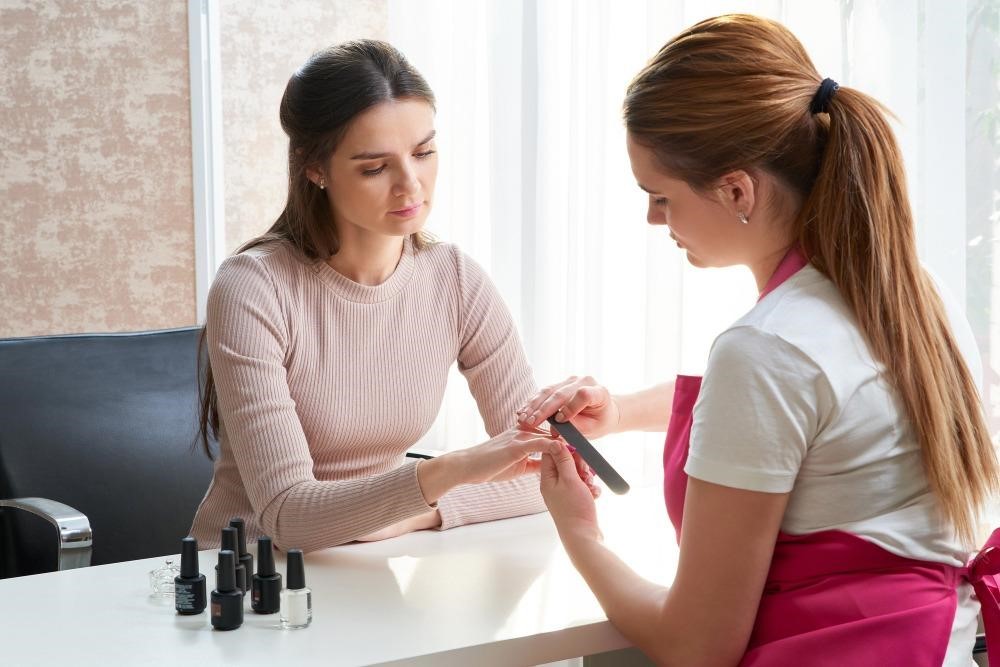
Quality Training Matters in Skincare and Nail Careers
The beauty and medispa industries are still growing quickly, which means there are many job opportunities for people who want to work in fields that require skills. But getting the right training and professional certification is very important for success in this field. A structured nail certification course and an accredited esthetician program give you the technical knowledge, hygiene standards, and hands-on practice you need to do beauty services safely and well.
Good training is more than just learning the basics. It teaches how to analyze skin, take care of nails, follow sanitation rules, know about products, and talk to clients, all of which are necessary for working in a professional salon or medispa. Students also learn how to keep customers coming back, suggest treatments, and keep service running smoothly.
Growth in the beauty industry and why it’s important to be a skilled professional
The beauty and aesthetic industry has grown a lot in the last few years. What used to be seen as luxury skin or nail care treatments are now a normal part of life. But with this growth, clients expect some changes to happen.
Clients can now find a lot of information about all kinds of treatments. They know how important cleanliness is and how to make sure a professional does a good job.
Clients want to be sure that they will be successful, whether they are getting a facial or meeting a nail tech.
This is why professional training programs have become a must. For instance, a nail certification course or esthetician training allows you to acquire valuable skills and experience necessary to work in this field.
What High-Quality Beauty Training Actually Teaches
Many beginners assume beauty education is simply about learning techniques. In reality, structured programs focus on building a complete professional skill set that combines artistry, science, and client management.
Students enrolled in professional programs typically learn:
Technical Beauty Skills
- Professional nail sculpting using gel, acrylic, and builder systems
- Manicure and pedicure procedures that maintain nail health
- Skincare treatments, including facials and exfoliation therapies
- Skin analysis techniques used to recommend suitable treatments
Hygiene and Safety Protocols
- Infection control and sanitation standards
- Proper sterilization of tools and equipment
- Understanding contraindications before performing services
- Maintaining professional treatment environments
Product and Treatment Knowledge
- Skincare ingredient science and product compatibility
- Nail product chemistry and safe application techniques
- Understanding how different treatments affect skin and nails
Client and Business Skills
- Conducting professional client consultations
- Managing appointments and service workflow
- Recommending retail products appropriately
- Building long-term client relationships
These skills prepare students to work confidently in real salon and medispa environments.
Why Structured Training Makes the Difference
Many aspiring beauty professionals start learning through online tutorials or informal practice. While these methods can spark interest, they rarely provide the depth required for professional work.
In real salon environments, beauty services require more than surface-level technique. Professionals must understand nail anatomy, skin physiology, sanitation regulations, product chemistry, and client consultation frameworks.
Without structured training, it becomes difficult to deliver consistent results or build client trust.
A professional nail certification course focuses on developing these competencies through guided practice, instructor feedback, and real-world service simulations. Students learn how to handle common client concerns such as nail damage, product lifting, allergic reactions, and sanitation risks.
Similarly, an accredited esthetician program explores skincare science in greater detail, teaching students how to evaluate skin conditions, recommend treatments, and design personalized skincare routines.
Structured education ensures that professionals are not just skilled but also safe, reliable, and trusted by clients.
Career Opportunities and Income Potential
One of the most appealing aspects of the beauty industry is the variety of career opportunities available.
Graduates of a nail certification course or an accredited esthetician program can explore several professional pathways.
Salon or Spa Employment
Many graduates begin their careers in salons or spas where they gain experience and develop loyal client bases.
Medispa and Skincare Clinics
Professionals trained in skincare often work in aesthetic clinics providing advanced facial and skin treatments.
Freelance Beauty Services
Mobile nail technicians and skincare specialists can offer flexible services for clients who prefer at-home appointments.
Beauty Entrepreneurship
With experience and a strong client base, some professionals open their own nail bars, beauty studios, or skincare clinics.
Many successful beauty professionals combine multiple income streams, such as service pricing, retail product sales, and specialized treatments, to increase their earnings.
How to Choose the Right Beauty Career Path
The beauty industry offers multiple specializations, so choosing the right path is an important step.
Consider the following questions:
- Do you enjoy artistic work such as nail design and nail art?
- Are you interested in skin health and skincare treatments?
- Do you prefer working in salons or building an independent client base?
- Are you interested in eventually starting your own beauty business?
These questions can help determine whether a nail certification course or a broader accredited esthetician program aligns better with your career goals.
Checklist Before Enrolling in a Beauty Training Program
Before enrolling in a beauty training program, it is important to evaluate a few critical factors.
-
Hands-On Training
Programs should include practical training sessions that simulate real salon environments.
-
Experienced Instructors
Learning from professionals with real industry experience improves both technical understanding and career preparation.
-
Recognized Certification
Credentials should be respected by salons, spas, and aesthetic clinics.
-
Career Guidance
Programs that provide advice on portfolio development, client building, and networking often help students transition into the industry more quickly.
Choosing the right training environment provides both knowledge and confidence.
Flexible Learning and Support Options
Many aspiring beauty professionals hesitate to start training due to financial or scheduling concerns.
Modern beauty education programs often address these challenges by offering:
- Flexible payment plans
- Regular intake schedules
- Shorter certification-focused programs
- Guidance on career opportunities after graduation
These options allow students to start their careers without long waiting periods.
Building a Career That Combines Creativity and Opportunity
Beauty careers offer a unique balance between artistic creativity and entrepreneurial opportunity. Professionals can design nail art, perform skincare treatments, and build meaningful relationships with clients while growing their income.
However, the professionals who succeed in this industry are those who understand both the art and science behind beauty services.
A structured nail certification course or accredited esthetician program provides that foundation, helping aspiring professionals transform passion into a sustainable career.
Conclusion
The beauty and aesthetics industry continues to grow, creating exciting opportunities for individuals seeking skill-based careers. Yet success in this field requires more than enthusiasm; it requires proper training, technical expertise, and professional discipline. Quality education equips aspiring beauty professionals with the knowledge needed to perform treatments safely, build loyal client bases, and explore multiple career paths.
For anyone considering a future in skincare or nail artistry, investing in the right training program is the first step toward building a rewarding career that blends creativity, independence, and long-term financial potential.
EBI Certificates








© 2026 · Eternal Beauty Institute. Partners | Policies | Insights | Sitemap | Warranty Information | Return Policy | Contact | Terms & Conditions