

Eternal Insights
Who Should Take Botox and Filler Training After Medical Esthetician Training
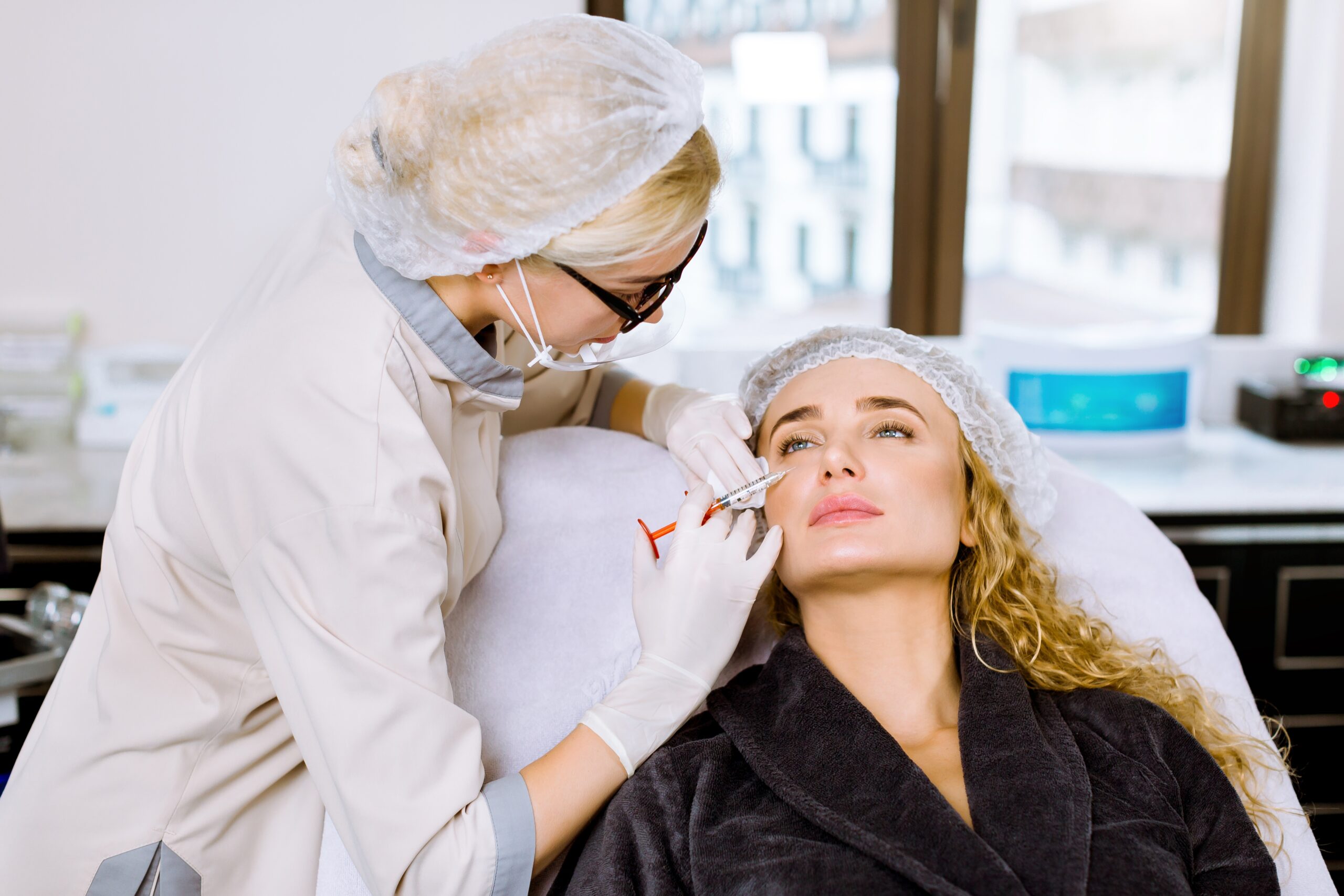
Medical esthetician training usually sets up a solid base for skin health, face study, sanitation, client consultations, and non-invasive care. For a lot of graduates, there’s this question that kind of shows up right away: should Botox and filler training be next?
Honestly, it depends on the licensing rules, legal scope of practice, where you want your career to go, and how comfortable you are with real clinical responsibility. Injectable education isn’t just “another beauty credential”; it’s more like anatomy in one hand, prescription products in the other, plus medical screening, exact technique, and knowing what to do when complications happen.
Understanding the Step From Esthetics to Injectables
Most medical estheticians already grasp aging patterns, common skin issues, treatment planning, and what clients usually expect. That’s useful, but knowing skin doesn’t automatically mean you can inject safely. Botox and dermal fillers work beneath the skin surface, and in many places, they can only be done by regulated healthcare professionals. On top of that, some areas have medical supervision requirements, insurance rules, or extra licensing steps. So before you sign up, you really should verify what you are legally allowed to do and whether the course actually fits your background and credentials, not just your interest.
Healthcare Professionals Entering Aesthetic Medicine
Botox and filler training is often best suited to nurses, physicians, dentists, nurse practitioners, and other eligible healthcare professionals moving into aesthetic medicine.
These learners usually bring experience in patient assessment, infection control, consent, anatomy, and clinical documentation. A specialized course helps them apply those skills to facial balance, muscle movement, product placement, dosage principles, and complication prevention.
After medical esthetician training, qualified professionals may work in a medical spa, join a cosmetic clinic, partner with an established injector, or build an independent practice where regulations allow. This pathway feels flexible, but honestly, the win depends on good judgement and sticking with it consistently.
Medical Estheticians Supporting an Injectable Practice
Not every medical esthetician has to become an injector to get value from injectable education. A bunch of them simply go for training to sharpen their understanding, while still supporting in a clinical role, kind of like hands-on coaching without going full injector right away.
When you get a deeper grasp of Botox and fillers training, you can really improve client preparation, aftercare, photography, consultation support, scheduling, and overall treatment coordination. It also makes it easier to suggest skincare services that pair well with an injectable plan, rather than working in silos.
Medispa Owners and Beauty Entrepreneurs
Aspiring clinic owners might still gain a lot from Botox and filler training, even if they don’t personally do the injections themselves. In practice, a medispa really needs solid consent steps, product storage rules, treatment records, a real emergency plan, staff accountability, and responsible marketing too. It can feel overdone, but it’s the kind of stuff that prevents future headaches.
The training helps owners get what qualified injectors require and also clarifies where esthetic services should stay separate from actual medical procedures. That understanding then shows up in better hiring choices, smoother insurance conversations, realistic pricing decisions, and steadier compliance. Overall, it’s not just about learning terms; it’s about building a system.
Injectable services can absolutely create repeat business, but there’s clinical responsibility that comes with it. Sustainable growth usually looks like safe processes, consistent expectations, and a team that respects professional boundaries, not just “getting people in the chair.”
Beauty Professionals Considering a Career Change
A lot of lash artists, skincare specialists, brow technicians, and salon people are naturally curious about injectables since they already work with appearance-focused clients. Their consultation style may transfer pretty well, but qualification for injecting is another matter, and it may not meet legal requirements as-is. For some, the best pathway means healthcare education first, before taking an injectable course. A good training provider should spell out entry requirements clearly, instead of acting like anyone can become an injector after a quick workshop.
For eligible learners, income can come through clinic employment, commission structures, room rental arrangements, freelance partnerships, or private practice. What people earn really depends on the area, experience level, pricing strategy, product costs, insurance requirements, and how well clients keep coming back. Dependable income tends to follow strong outcomes and repeat trust, not luck or a single good month.
How to Choose the Right Training Path
Before you enroll, ask yourself if you actually enjoy the detailed facial assessment, the careful decision-making, and the continued learning. Injectable work takes patience and restraint too. The goal isn’t to use more product it is to choose the safest approach for each person’s face, every single time.
A strong course should cover facial anatomy, consultation, contraindications, aseptic technique, injection planning, complication awareness, documentation, aftercare, and supervised practice. Trainer credentials, class size, live-model experience, and post-course support should matter more than course length.
Checklist Before Enrolling
- Confirm your legal eligibility and review the prerequisites.
- Ask who supervises the practical training.
- Check whether live-model practice is included.
- Understand the insurance requirements.
- Confirm what support is available after the course.
Flexible intakes, payment plans, and even evening classes can make training feel easier when you’re still working, or trying to. But the “handy” side should never, ever replace safety, instructor quality, or enough real hands-on practice.
FAQs
Is hands-on practice important in Botox and filler training?
Yes, hands-on practice allows learners to apply theoretical knowledge in a supervised environment. Practical experience helps improve technique, confidence, and understanding of real client scenarios.
What should Botox and filler training include?
It should walk through facial anatomy, proper client assessment, contraindications, injection planning, how to manage complications, accurate documentation, aftercare steps, and plenty of supervised, practical injection time.
How can medical estheticians work with injectable clients without injecting?
In most setups, they can help with skin preparation, post-treatment support, photography, client education, appointment planning and follow-ups, plus complementary skincare planning, but only within whatever their permitted scope allows.
What career options follow injectable training?
If you’re eligible, you could end up working in medical spas, cosmetic clinics, healthcare practices, or private aesthetic businesses. The real opportunities depend on your licensing status, your experience, your location, and whether you must work under supervision.
Conclusion
Botox and filler training can be a natural next progression after medical esthetician training for people who are eligible healthcare professionals, clinic owners, or estheticians who work alongside medical aesthetic teams. Done the right way, it can deepen your knowledge, improve how you support clients, and open up new career paths, but only when the training comes with the correct qualifications and proper supervision.
The best choice starts with honest planning. Check your personal scope, pick hands-on education that’s thorough, and go in with expectations that are realistic. Advanced aesthetics tends to reward people who blend technical skill, ethical judgment, and a serious respect for client safety.
EBI Certificates






© 2026 · Eternal Beauty Institute. Policies | Insights | Warranty Information | Return Policy | Contact | Terms & Conditions